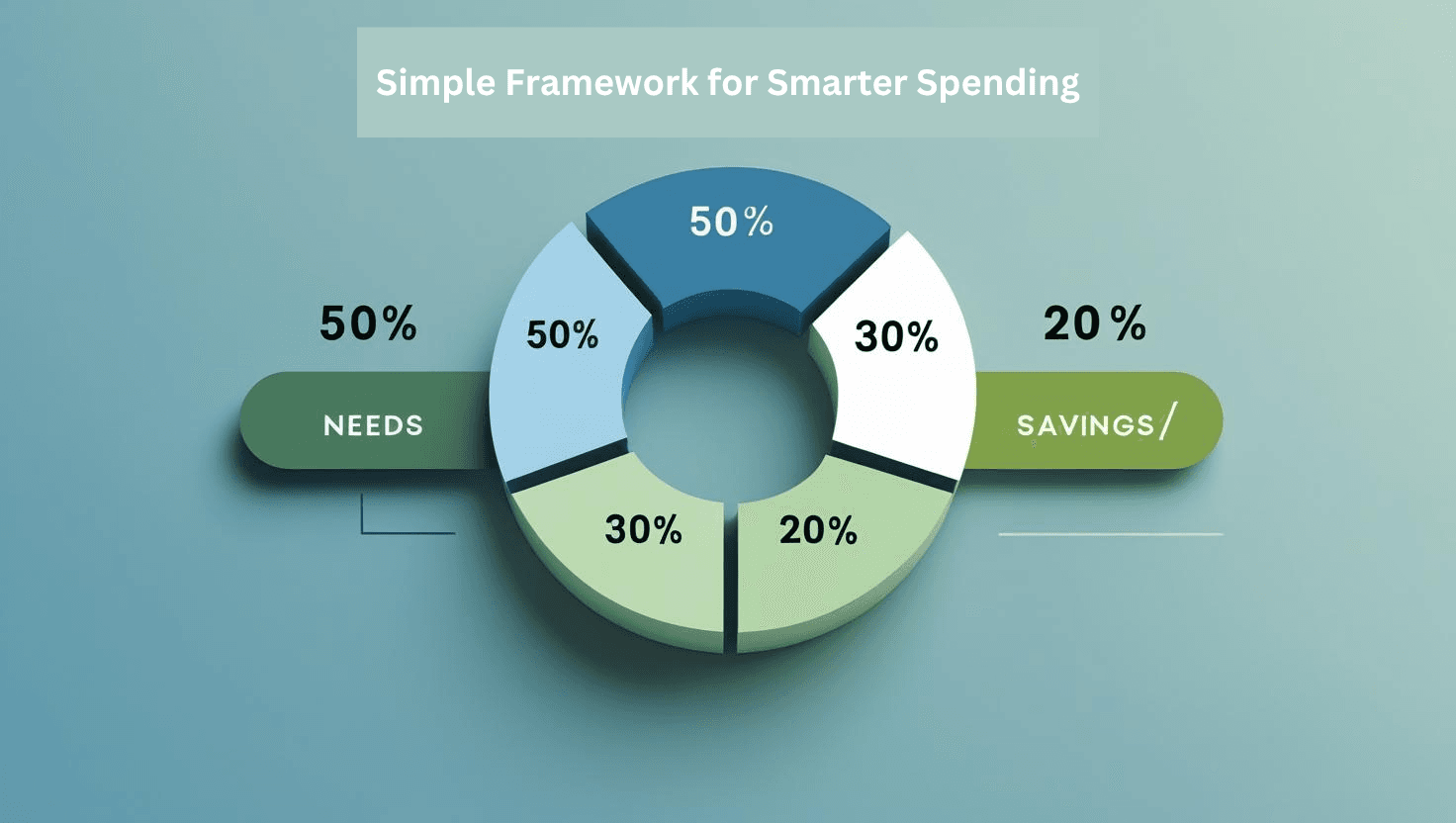
Zero-based budgeting is powerful because every single rupee that you earn will be given a specific purposewhether that be spending, saving, or investing. Things that you traditionally might not budget for anything, like unexpected income, are usually unallocated in traditional budgeting methods. ZBB seeks to ensure that no money lies idle in our accounts. Thus, in every budgeting period, you start with a ''zero'' base and proceed to assign all income, so that total income, less total expenditure (including savings and investments), equals zero. This methodology ensures a high degree of discipline and purpose in planning finances. You now have to make an active decision about where your money goes rather than letting it passively disappear into expenses that, for the most part, go untracked. This will help you not only to curb unnecessary drains on your money but also to align your resources to your short-term needs and long-term goals. For instance, a part of your salary would go toward paying rent and bills; another part would be towards an emergency fund; some more could be put in investments such as mutual funds or SIPs, and dining and entertainment could find their place on the spending list as well. The bottom line is that every rupee has a task assignedit is never left unplanned. The benefits from it are numerous. It aids in eliminating irregular spending, makes one accountable, and clears financial life. It also enables quick savings and wealth creation while ensuring that you are confident about how your money helps you. In short, zero-based budgeting transforms income from a vague flow of cash into a strategic tool, thus putting you at the helm of your financial journey.
Plan Every Rupee Before the Month Begins
Under zero-based budgeting, profit from cash surplus is not simply allowed to slip away from planning; on the contrary, everything is planned in advance from the most immediate needs to personal pleasures, based on that surplus. Every income earned is mapped out to a specific category whether it is rent, groceries, debt repayment, savings, investments, or leisure before the month begins. Nothing is left floating or without direction. This discipline keeps money focused on your targets rather than draining away through impulsive charges. Allocating the same in advance gives you a roadmap for the month according to your needs and priorities. It saves any financial leakages and promotes discipline, thereby letting you save and spend consciously and confidently. Thus, in contrast to the above methods, zero-based budgeting takes the other stand-it churns every rupee in the hands of the budgeting process from the onset.
Adjust As You Go
Continue enjoying your life in whatever ways you prefer. Your world is not black and white, so if you have indulged too much in one expense category, it would be the golden rule of zero-based budgeting itself to make up for the excess by undercutting another expense category, thereby not upsetting the entire plan. For example, if you tend to go overboard a little on eating out this month, you can reduce the entertainment or shopping budget to balance it out. This flexible readjustment keeps it practical and sustainable for the system without making it feel like deprivation. What, however, you should avoid is touching your allocations to savings or investments: they are your long-term funds and should not be tampered with regardless of what happens. Not only do withdrawals of impulse keep your savings from impulsive withdrawals, but they also protect your future and help build the discipline needed to withstand financial crises. This thought turns budgeting into an active tool, matching continual small movements in the right direction while protecting all larger goals from becoming not down to earth.
Benefits of Zero-Based Budgeting
As they say, zero-based budgeting is giving your full control of income and creating good efficiencies in the management of money. Every rupee has to be earmarked for purposes-maybe immediate expense, future savings, debt settlement, long-term investment instead of leaving it idle and loosely accounted for. The discipline, then, strikes at unnecessary waste. For example, identifying when one is overspending on dining out, the difference can fill another important category an emergency fund, say, or clearing credit card dues. So this way, one never touches one's savings account unnecessarily, which in turn solidifies the long-term financial strength. Zero-based budgeting is in fact adopting better financial habits through making you observe the patterns in your lifestyle. Money will not be flowing out through small unnoticed leaks; rather it will be diverted toward wealth-building avenues with SIP's mutual funds, or even retirement planning. Such small yet intentional changes compound their way to achieve significant betterment-heights-from having a beautiful home to sailing toward a stress-free secure retirement. As a principle, one understands that zero-based budgeting is not just about cutting the costs, but also about the value maximization of each penny you earn. With good planning and periodic reviews, it allows their maximum living conditions, constant lowering of debt pressure, and progressive steps toward financial freedom.
Stay Updated with Cenvexa
Get the latest insights on personal finance and money management delivered to your inbox.
Subscribe to Our Newsletter